Turkish Lira: Reserves Fall to 158.95 Billion; Companies Buy Foreign Currency
Turkey Column “Bosporus Briefing”
The Turkish lira is losing ground: The gross foreign exchange reserves of the Turkish Central Bank (TCMB) had fallen to $158.95 billion as of November 13. Before the start of the war with Iran, they stood at 210 billion U.S. dollars, says Central Bank Governor Fatih Karahan. At the same time, companies are exchanging lira for foreign currency. Their foreign currency accounts grew by an adjusted 5.3 billion U.S. dollars in one week.
| Key Figure | Current | Previous week or previous year |
|---|---|---|
| Gross foreign exchange reserves | $158.95 billion (Nov. 13) | 161.06 billion U.S. dollars (Nov. 6) |
| of which gold | $99.7 billion (Nov. 13) | $104.04 billion (Nov. 6) |
| Corporate foreign exchange accounts | $91.93 billion (Nov. 13) | $87.25 billion (Nov. 6) |
| Euro reference rate | 55.22 Turkish lira (Nov. 24, 2026) | 48.85 Turkish lira (Nov. 24, 2025) |
| Key interest rate | 36% (since Oct. 22) | 37% (through Oct. 22) |
Source of all figures: TCMB
Turkish Lira: The price of gold is putting pressure on reserves
Reserves fell by $2.11 billion in the week ending November 13. Gold was the deciding factor. The value of gold holdings dropped by $4.34 billion to $99.7 billion. Foreign exchange reserves excluding gold, on the other hand, rose by $2.23 billion to $59.25 billion. Gold thus accounts for 62.7% of reserves. According to Karahan, approximately $32 billion of the decline since the start of the war is attributable to lower gold prices.
Karahan sees the cause primarily in foreign markets. Foreign investors are temporarily pulling out of emerging markets to hedge their risk, he told the Anadolu news agency on November 23. A deterioration in macroeconomic data is not the underlying cause. The TCMB has resumed swaps of foreign currency for lira. It had already resorted to this instrument in the spring. The current account remains a weak point: According to Karahan, the deficit rose over a 12-month period from $30 billion at the end of 2025 to $39 billion in September. The surplus in September does little to change this.
Karahan announced that the Central Bank would prop up the lira if necessary. “The key interest rate is our most important tool,” he said. “If we see weaker demand for the Turkish lira, we will assess the implications for the inflation outlook.” Changes to the withholding tax on lira savings are also possible.
Companies Are Exchanging Lira for Euros and U.S. Dollars
The TCMB’s weekly data shows who is driving demand for foreign currency. Companies increased their foreign currency deposits by $5.3 billion as of November 13, adjusted for exchange rate effects. In the previous week, the figure was $0.9 billion. Approximately $2.6 billion each flowed into accounts denominated in euros and U.S. dollars. Households, on the other hand, withdrew 133 million U.S. dollars, adjusted for exchange rate effects. Their foreign currency holdings fell to 136.71 billion U.S. dollars, down from 139.85 billion the previous week. The drop in the price of gold in their precious metals accounts accounts for the majority of this decline.
The U.S. bank Goldman Sachs considers corporate purchases to be persistent. They are likely to last longer than the wave seen in 2025, the Türkiye Today portal reported on November 24. Goldman therefore expects the TCMB to pause interest rate hikes in December. “Household demand for foreign currency is a better indicator of confidence in the lira,” the bank writes. Karahan views the low demand from households as a success of monetary policy.
The key interest rate has stood at 36% since October 22. At that time, the TCMB lowered it by 1 percentage point. In the summer, it had left the rate at 37%. According to Karahan, inflation stood at 29.8% in October. The next interest rate meeting will take place on December 10.
What this means for German companies
For German companies, the euro exchange rate is the most important factor. According to the TCMB reference rate, one euro costs 55.22 Turkish lira today. A year ago, it was 48.85 lira—an increase of 13%. The lira depreciated more sharply against the U.S. dollar: the exchange rate rose by 19.3% to 50.54 lira. Consumer prices rose by just under 30% during the same period. In real terms, the lira is thus appreciating against the euro.
This is affecting suppliers in Turkey. They pay wages and rent in lira, while their costs in euros are rising. The cost advantage of being located in the customs union with the EU is shrinking. The Turkish auto industry is also under pressure: its passenger car production fell by 20.1% in October. German exporters, on the other hand, are gaining a price advantage. However, demand remains limited, as the TCMB itself describes domestic demand as weak.
An abrupt currency plunge would turn the tables. Turkish companies’ purchases of euros suggest they are hedging. German suppliers with invoices in lira bear this risk themselves. Local loans remain expensive with a key interest rate of 36%. December 10 is the key date for investors: if the TCMB cuts rates again, the lira’s interest rate advantage will shrink. Further analyses are available on the Turkey page of Eastern Economy.
Source: Türkiye Today (EN), TCMB 1, 2, 3, 4, CNBC-e, Forbes Türkiye (TR)
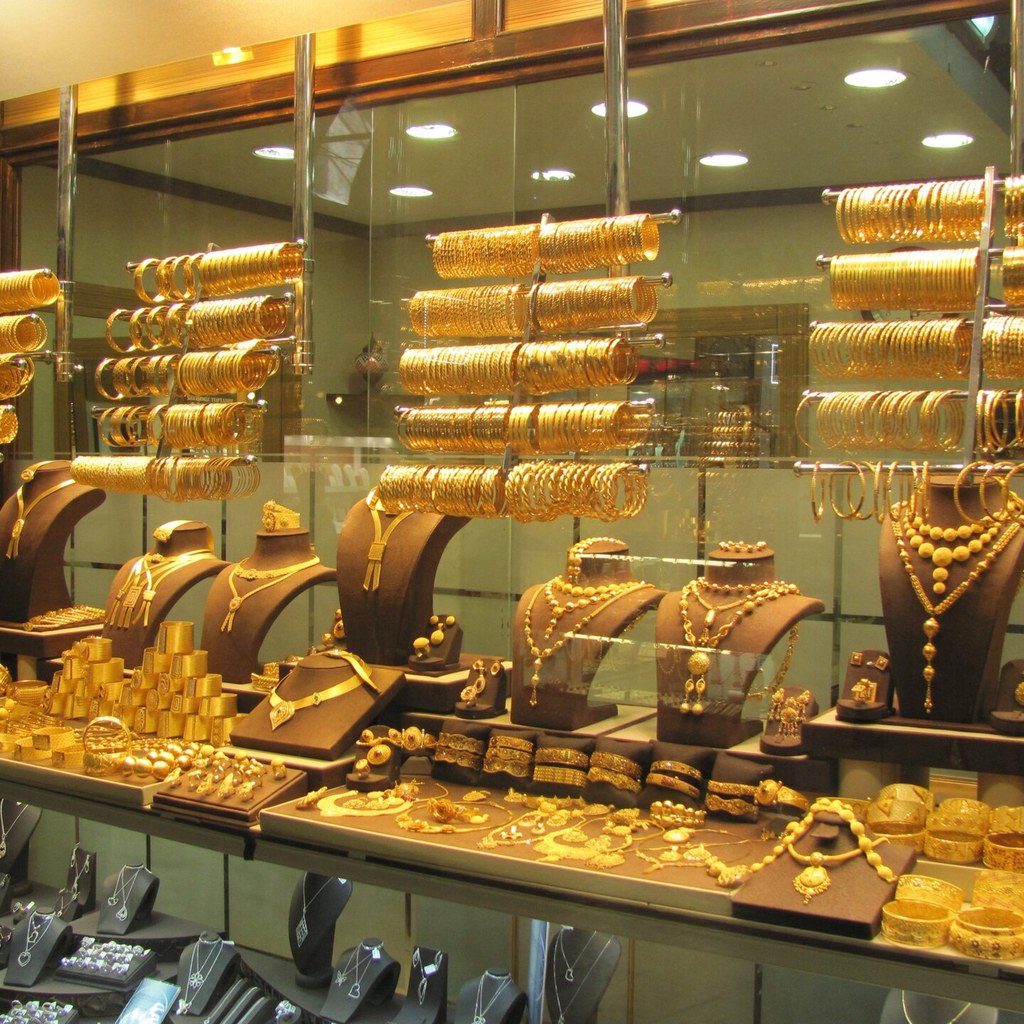
Cover image: Slyronit / Wikimedia Commons, CC BY-SA 4.0, cropped
Earlier coverage: Turkey
- Another IPO-bound company in Turkey files for bankruptcy protection · July 28, 2026
- Turkey Keeps Key Interest Rate at 37% for the Fourth Time · July 23, 2026
- Turk Ilac Reports Default · July 20, 2026
- Vestel Engages Houlihan Lokey to Restructure Its Bonds · July 17, 2026