Turkey's Current Account: $2.7 Billion Surplus in September
Turkey Column “Bosporus Briefing”
Turkey posted a current account surplus of $2.72 billion in September, according to the Turkish Central Bank (TCMB). In August, the surplus stood at $4.05 billion. At the same time, foreign investors withdrew significant amounts of capital, and official reserves shrank by $10.01 billion.
| Key Figure | September 2026 | August 2026 | Source |
|---|---|---|---|
| Current Account | +2.72 billion U.S. dollars | +4.05 billion U.S. dollars | TCMB |
| 12-month deficit | 39.2 billion US dollars | 42.1 billion US dollars | TCMB |
| Balance excluding gold and energy | +7.34 billion US dollars | +8.21 billion US dollars | TCMB |
| Net travel balance | 6.57 billion U.S. dollars | 7.29 billion US dollars | TCMB |
| Net portfolio outflow | 7.73 billion U.S. dollars | $1.03 billion | TCMB |
Tourism Supports Turkey’s Current Account
The surplus is driven by services, which generated a net inflow of 9.01 billion U.S. dollars in September. Travel accounted for 6.57 billion U.S. dollars of that total. In August, the figure was 7.29 billion U.S. dollars. Transportation services contributed 3.09 billion US dollars. The trade in goods remained in deficit by 3.64 billion US dollars, down from 3.75 billion US dollars the previous month.
Excluding gold and energy, the TCMB reported a surplus of $7.34 billion. In August, the figure was $8.21 billion. The gap to the overall balance highlights the burden of gold and energy imports. Calculated over twelve months, the deficit fell to $39.2 billion. In August, it stood at $42.1 billion, according to the Strategy and Budget Office (SBB).
Finance Minister Mehmet Şimşek sees this as confirmation of his policy direction. “This success is no coincidence,” he wrote on November 13 on the X platform. Exports of goods and services exceeded $410 billion for the year. For 2026, Şimşek expects a deficit of around 2.2% of GDP. Last year, it was 1.9%. The government’s Medium-Term Program (OVP) projects 2.3%. The minister attributes the increase to higher energy prices. Our analysis of energy costs back in June already showed just how heavily these are weighing on Turkey.
Fund Crisis Drives Capital Out of the Country
The capital account paints a different picture. In September, there was a net outflow of $7.73 billion in portfolio investments. In August, the figure was $1.03 billion. According to the TCMB, foreign investors sold stocks and mutual fund shares worth $5.86 billion. They also sold lira-denominated government bonds worth $495 million. Direct investments brought a net inflow of $859 million into the country, up from $141 million in August.
This development comes against the backdrop of the September fund crisis. On September 17, the Capital Markets Board (SPK) ordered the liquidation of 131 investment funds. The funds belong to seven management companies. According to the SPK, 455,758 investors are affected, as reported by Bloomberg HT. The Istanbul Stock Exchange had already been under pressure, as evidenced by the bankruptcy filings of companies that had recently gone public.
Official reserves fell by $10.01 billion in September. In September of the previous year, the TCMB had reported a decline of $8.69 billion. For the first time, the TCMB is also tracking crypto assets. Domestic investors purchased $49 million worth of stablecoins in September.
What This Means for German Companies
For German exporters, the exchange rate is the primary concern. According to the TCMB reference rate, one euro cost 55.34 lira on November 18. A year ago, it was 49.07 lira. The lira has thus lost about 11% of its value against the euro. Goods from Germany are becoming more expensive for Turkish customers. While the customs union with the EU lowers barriers for industrial goods, it does nothing to counter weak purchasing power.
For suppliers with plants in Turkey, the picture is different. According to the statistics office TÜİK, consumer prices rose by 29.77% year-over-year in October. In September, the rate stood at 29.73%. Inflation is thus significantly outpacing the currency’s depreciation. As a result, wages and local input costs are becoming more expensive even when calculated in euros. The location’s cost advantage is shrinking.
Investors should keep an eye on the capital side. Capital outflows and declining reserves are increasing pressure on the lira. The TCMB’s interest rate policy remains the most important anchor. On October 22, it cut the key interest rate by 1 percentage point to 36%. Previously, in July, it had left the rate unchanged at 37% for the fourth time. Tour operators see a stable signal in the data: tourism remains the largest source of foreign exchange in the balance of services. Further analyses are compiled in the Turkey section of Eastern Economy.
Source: TCMB, SBB 1, 2, NTV, Bloomberg HT, TCMB reference rates (all TR)
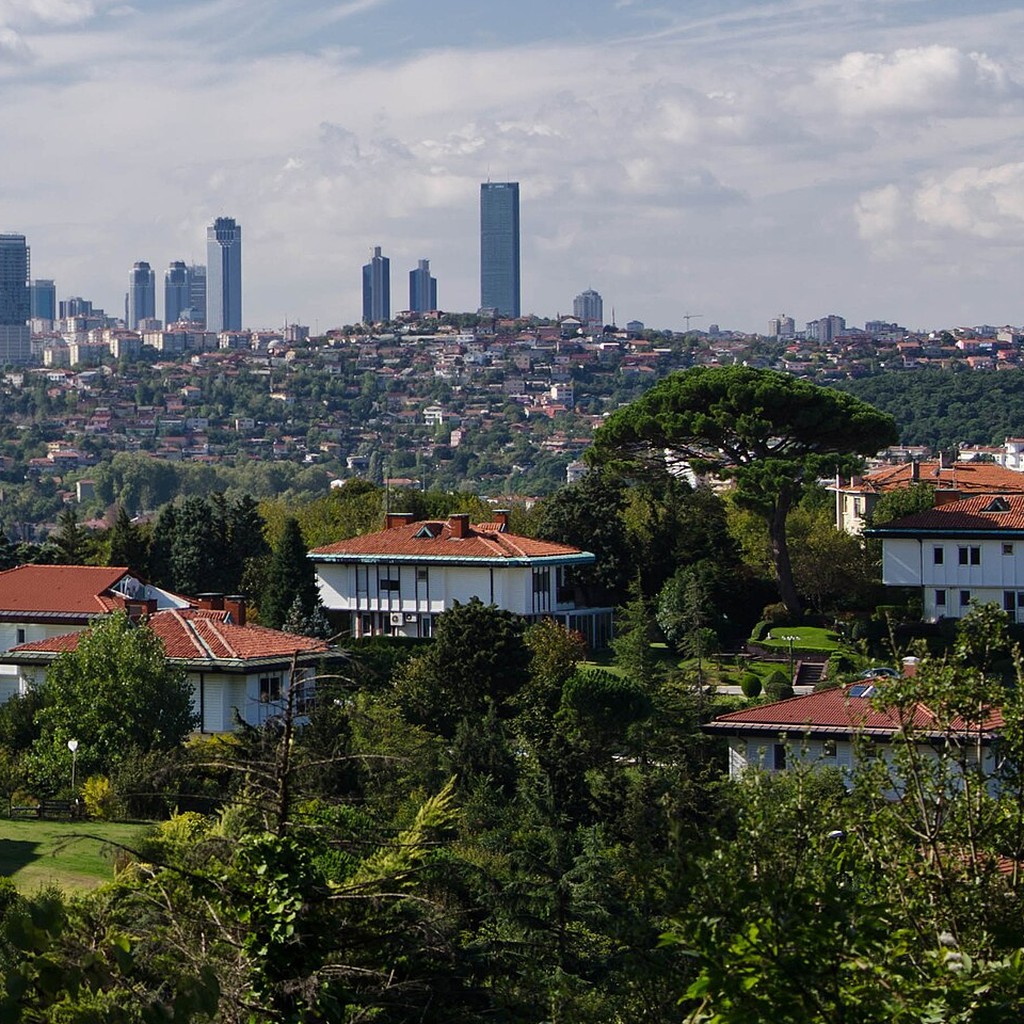
Cover image: Scott Dexter (ampersandyslexia) / Wikimedia Commons, CC BY-SA 2.0, cropped

Earlier coverage: Turkey
- Turk Ilac Reports Default · July 20, 2026
- Vestel Engages Houlihan Lokey to Restructure Its Bonds · July 17, 2026
- Turkish IPO Market Reaches 24.6 Billion TRY in the First Half of the Year · July 7, 2026
- Turkish PMI Falls to 47.1 Points in June · July 3, 2026