Poland's industrial output grew by only 0.1% in October: Construction output fell by 9.3%
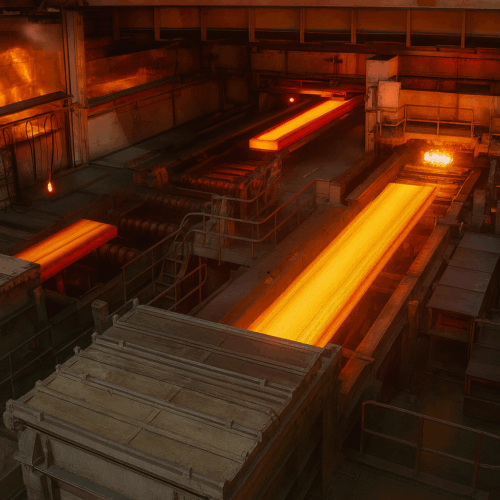
Industrial production in Poland in October 2026 was 0.1% higher than a year ago. The Polish Central Statistical Office (GUS) reported this on November 23. In September, the increase had been 3.9%, and in October 2025, it was 3.3%. Compared to the previous month, production rose by 1.7%. The figures are price-adjusted and preliminary.
On a seasonally adjusted basis, the picture is mixed. Production was 2.3% higher than a year ago but 1.9% lower than in September. From January through October, industrial production grew by 3.1%, compared with 2.8% in the same period last year.
Economists had expected more. The market had anticipated around 2.7%, reports the business portal PKB24. Economists at mBank point to the calendar: October had one fewer working day than the previous year. According to their estimate, this reduced the annual rate by about 1.8 percentage points. Their assessment on November 23 is nonetheless harsh: “Even after taking this effect into account, the result must be considered very weak.” The quote has been translated from Polish and cited according to PKB24.
Industrial Production in Poland: Machinery Manufacturing Grows, Auto Manufacturing Shrinks
GUS reports growth in 20 of 34 sectors. Mechanical engineering rose by 18%, and metal production by 9.6%. Electrical equipment grew by 7.8%, and computers and electronics by 7.4%. Production declined in 14 sectors. Coal mining fell by 11.9%, vehicle manufacturing by 6.6%, and the furniture industry by 6.5%.
By product group, intermediate goods grew by 6.2% and capital goods by 1.3%. Durable consumer goods plummeted by 11.7%, and energy goods by 11.4%. The manufacturing sector as a whole contracted by 0.4%. In September, it had still grown by 3.3%.
Construction Falls by 9.3%, Wages Rise by 6.1%
Construction output fell by 9.3% year-over-year in October, with all sectors posting declines. Compared to September, it rose by 5.5%. GUS notes: “Construction companies continue to cite irregular contract billing as one of the causes of the decline.” According to GUS, companies are also reporting fewer and smaller orders. Economists at Credit Agricole cite another reason, according to PKB24: Projects under the EU recovery plan had to be completed by the end of August.
The labor market is cooling off. Employment in the corporate sector was 0.7% below the previous year’s level. The average gross wage rose by 6.1% in nominal terms. The data fits the overall picture: Economic growth in Poland fell to 3.5% in the third quarter, and consumer confidence in Poland declined in November. The Polish central bank now expects growth of only 2.8% for 2027.
For German exporters, the outlook is mixed. Poland’s mechanical engineering and electrical industries are growing, which supports demand for components and intermediate goods. Suppliers to the automotive industry are facing declining production, as are suppliers to furniture manufacturers. Suppliers of building materials and construction equipment should expect weak orders as long as new EU projects remain scarce. Investors are feeling the pressure from rising wages: Wages are rising by 6.1%, even though production is stagnating.
Sources: GUS, reports from November 23, 2026, on industrial production, construction output, and employment and wages in October (PL); PKB24 with estimates from mBank and Credit Agricole (PL)
SK, Frankfurt
Earlier coverage: Central Europe
- Slovakia: Economic Growth Slows to 0.3% in the Third Quarter · November 18, 2026
- Czech Republic: Producer Prices Rise 4.7% in October · November 18, 2026
- Hungary: Industrial Production Rises 8.2% in September · November 17, 2026
- Poland: Economic Growth Slows to 3.5% in the Third Quarter · November 16, 2026