TIIF 2026: Uzbekistan's Aviation Industry Is Growing Faster Than Expected
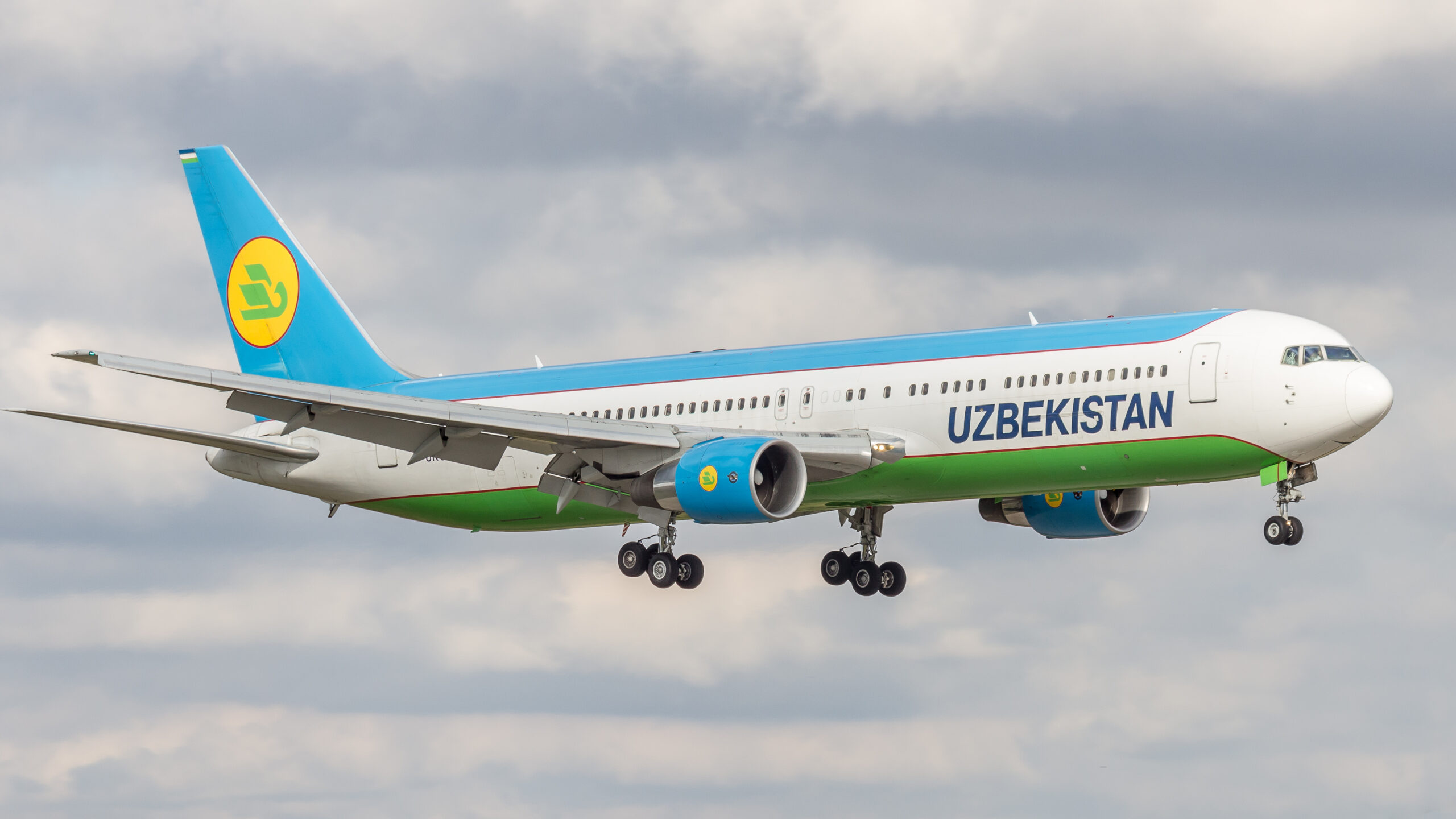
Central Asia has become the world’s fastest-growing aviation region. Around 60 million passengers are expected by 2025—a record figure that was the focus of a discussion at the fifth Tashkent International Investment Forum (TIIF 2026). The discussion focused less on whether demand will continue to rise and more on just how much previous forecasts had underestimated the growth.
“We were wrong. We significantly underestimated the potential,” said Kazbek Bassiev of Vision Invest, the developer of the new Tashkent Airport. Just two and a half years ago, analysts predicted that Tashkent Airport would handle 11 million passengers annually by 2030. In fact, the 10-million-passenger mark was reached as early as 2025—four years ahead of schedule.
The new airport is initially designed to have a capacity of 20 million passengers per year. Long-term plans call for an expansion to accommodate up to 50 million passengers. This could position Tashkent as a serious competitor to established hubs such as Istanbul in the future.
Tashkent is positioning itself as an international hub
As moderator Suresh Subudhi of the Boston Consulting Group explained, this growth is driven by several factors. The number of air travelers is growing about 2.5 times faster than economic output. At the same time, foreign direct investment in Uzbekistan has increased tenfold over the past eight years, most recently reaching around 40 billion U.S. dollars.
In addition, air travel in Uzbekistan remains comparatively expensive relative to income levels. While an average airline ticket in industrialized countries costs roughly one day’s wage, in Uzbekistan it still costs about 25 days’ wages. However, as incomes rise, this gap is likely to close, further boosting demand.
A key factor in this is the vision of establishing Tashkent as an international hub between Europe, the Middle East, and Asia. Currently, transit traffic accounts for less than 7% of total passenger volume. By comparison, in established aviation hubs such as Dubai or Istanbul, this share ranges between 40% and 70%.
Javlonbek Umarkhodjaev, Chairman of Uzbekistan Airports, emphasized that building a successful hub is only possible with a strong national airline. This airline must be supported by modern airport infrastructure and a competitive regulatory environment.
Bum Ho Kim of the Incheon International Airport Corporation drew parallels to South Korea’s development in the early 1990s. He noted that the economic and demographic conditions at that time were comparable to those in Uzbekistan today. In his view, now is the ideal time to position Tashkent as Central Asia’s leading aviation hub.
At the same time, he warned of risks such as regulatory uncertainties, a shortage of skilled workers, technological shortcomings, and delays in aircraft deliveries. He noted that the limited liberalization of the airspace around Tashkent Airport to date is particularly critical.
Uzbekistan Airways’ IPO Draws Near
Another key focus of the discussion was the planned initial public offering (IPO) of Uzbekistan Airways. Marius Dan, Managing Director for Central Asia at Franklin Templeton, described the airline as the most important asset of the Uzbek National Investment Fund (UzNIF).
The selection process for advisors to the IPO is set to begin as early as late June or early July. Comprehensive reforms are planned, comprising a total of 125 transformation projects, including measures to expand the fleet, increase ancillary revenue, modernize customer loyalty programs, and improve cost efficiency.
Omar Turk of BlackRock emphasized that successful public-private partnerships require clear incentive structures and a balanced distribution of risk between the government and investors. As an example, he cited London Gatwick Airport, where appropriate reforms significantly increased capacity without raising costs per passenger.
Skilled Workers and Aircraft Remain the Biggest Challenges
At the conclusion of the discussion, the participants turned their attention to the greatest challenges of the coming years. Vision-Invest manager Bassiev pointed to the global shortage of aircraft capacity and the long delivery times for new aircraft.
Umarkhodjaev described the shortage of qualified personnel as the greatest risk to the sector’s future development. New training programs and partnerships with international airports are intended to help meet the demand for pilots, technicians, and ground staff.
Boeing representative Mario Antonio Ebcim also called for a holistic approach to planning the aviation ecosystem. Without a sufficient number of qualified professionals, even the most modern aircraft fleet cannot be operated efficiently.
For moderator Subudhi, the planned initial public offering (IPO) of Uzbekistan Airways therefore remains the most important indicator of whether Uzbekistan’s ambitious aviation strategy can be successfully implemented.