Central Asia Is Moving Closer to Energy Independence
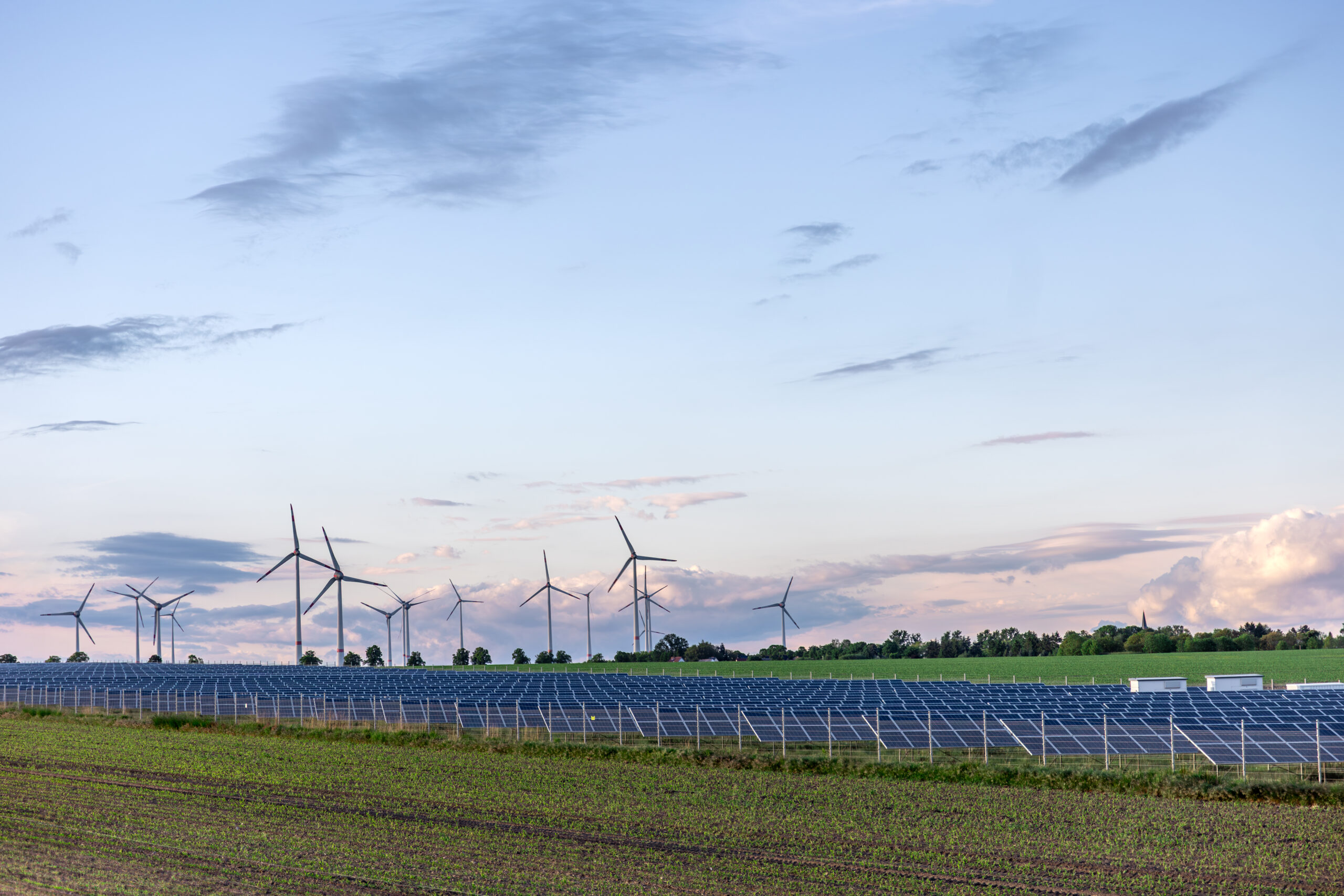
Since the collapse of the Soviet Union and their independence in 1991, the five Central Asian states have pursued the goal of meeting their entire electricity needs from their own resources. However, after more than three decades, only Turkmenistan has succeeded in achieving this goal. Thanks to its extensive natural gas and oil reserves, as well as its relatively small population, the country is able to meet its entire electricity demand domestically.
However, this success is overshadowed by regular power outages caused by poor maintenance of the electricity and gas infrastructure. Nevertheless, Turkmenistan’s self-sufficiency serves as a model for its neighboring countries.
Now, recent statements by government officials from Kazakhstan, Kyrgyzstan, Tajikistan, and Uzbekistan suggest that these countries, too, are on the verge of achieving complete energy independence.
Kazakhstan is focusing on wind power and nuclear energy
Kazakhstan’s Energy Minister Yerlan Akkenchenov stated on February 6 that the country will be able to fully meet its electricity needs from domestic production by the end of March 2027. By 2029, Kazakhstan is even expected to regularly export electricity.
Currently, coal remains the most important energy source, accounting for approximately 13,800 MW of the total 26,700 MW of installed capacity. Gas-fired power plants provide an additional 6,800 MW. At the same time, the expansion of renewable energy is becoming increasingly important.
According to the Minister of Energy, renewable energy is expected to contribute approximately 3,600 MW by 2025. Of the country’s current 241 power plants, 162 already use renewable energy sources.
Kazakhstan plans to expand its electricity generation capacity by a total of 26,000 MW by 2035. Of this, 8,400 MW alone is to come from wind power—more than three times the planned capacity of the first nuclear power plant, which is to be built using Russian technology.
Kyrgyzstan is focusing on hydropower and solar energy
Kyrgyz Energy Minister Altynbek Rysbekov stated on July 8 that Kyrgyzstan will be energy self-sufficient by 2029.
Crucial to this goal is the construction of several large hydroelectric power plants as well as new solar power facilities. Among the most important projects are the Kambar-Ata-1 hydroelectric power plant, with a planned capacity of 1,860 MW, and the Kazarman hydroelectric power plant cascade, with a total capacity of 912 MW.
In addition, numerous smaller hydroelectric power plants are being built, as well as a solar power plant on Lake Issyk-Kul with a capacity of approximately 300 MW.
According to the government’s assessment, once these projects are completed, Kyrgyzstan will transition from being a net importer to an electricity exporter.
Currently, however, the country continues to import nearly five billion kilowatt-hours of electricity per year. At the same time, Kyrgyzstan has been under a state of emergency in the energy sector since 2023 due to chronic power shortages. This state of emergency has since been extended.
As recently as mid-July, a heat wave caused a widespread power outage in several northern regions, including parts of the capital, Bishkek.
Tajikistan is counting on the Rogun hydroelectric power plant
President Emomali Rahmon announced in late 2025 that Tajikistan would end the electricity rationing that has been in place for decades by October 2027 at the latest.
The Rogun hydroelectric power plant is considered a key project. With the planned commissioning of the third power plant unit in 2027, the electricity supply is expected to be permanently stabilized.
Despite official claims that the entire population has access to electricity, many rural households—especially in winter—still receive only a few hours of electricity per day.
Additional solar energy projects are intended to supplement the supply. At the same time, the country remains heavily dependent on the Nurek hydroelectric power plant, which accounts for about 70% of national electricity production.
Uzbekistan is Relying on Nuclear Power and Renewable Energy
According to Deputy Prime Minister Jamshid Hojajev, Uzbekistan has evolved from an electricity importer to an electricity exporter in recent years.
Electricity production has risen from around 60 to 85 billion kilowatt-hours. Solar and wind power plants now generate around 6,000 MW. In the future, an additional 4,000 MW from renewable energy sources is expected to be added annually.
In addition, Rosatom plans to build a nuclear power plant with two VVER-1000 reactors and two small modular RITM-200 reactors. The total capacity is expected to be around 2,100 MW. The first reactor could be connected to the grid as early as 2029.
This expansion is considered necessary, as both the country’s population and its industry are growing rapidly. In mid-July, Uzbekistan set several new records for electricity consumption within just a few days.
Major Progress—But Also Long-Term Challenges
More than three decades after gaining independence, Kazakhstan, Kyrgyzstan, Tajikistan, and Uzbekistan appear, for the first time, to be on track to realistically achieve their long-standing goal of energy independence.
Nevertheless, significant challenges remain. A large portion of the power plants and power grids date back to the Soviet era and must be modernized or replaced in the coming years.
In addition, climate change poses a growing risk, particularly for Kyrgyzstan and Tajikistan. Both countries rely heavily on hydropower, while melting glaciers and declining precipitation could affect water availability in the long term.
Despite these uncertainties, the goal of achieving self-sufficiency in electricity marks a significant milestone for Central Asia and could sustainably strengthen the region’s economic development.