The Port of Turkmenbashi is operating well below capacity
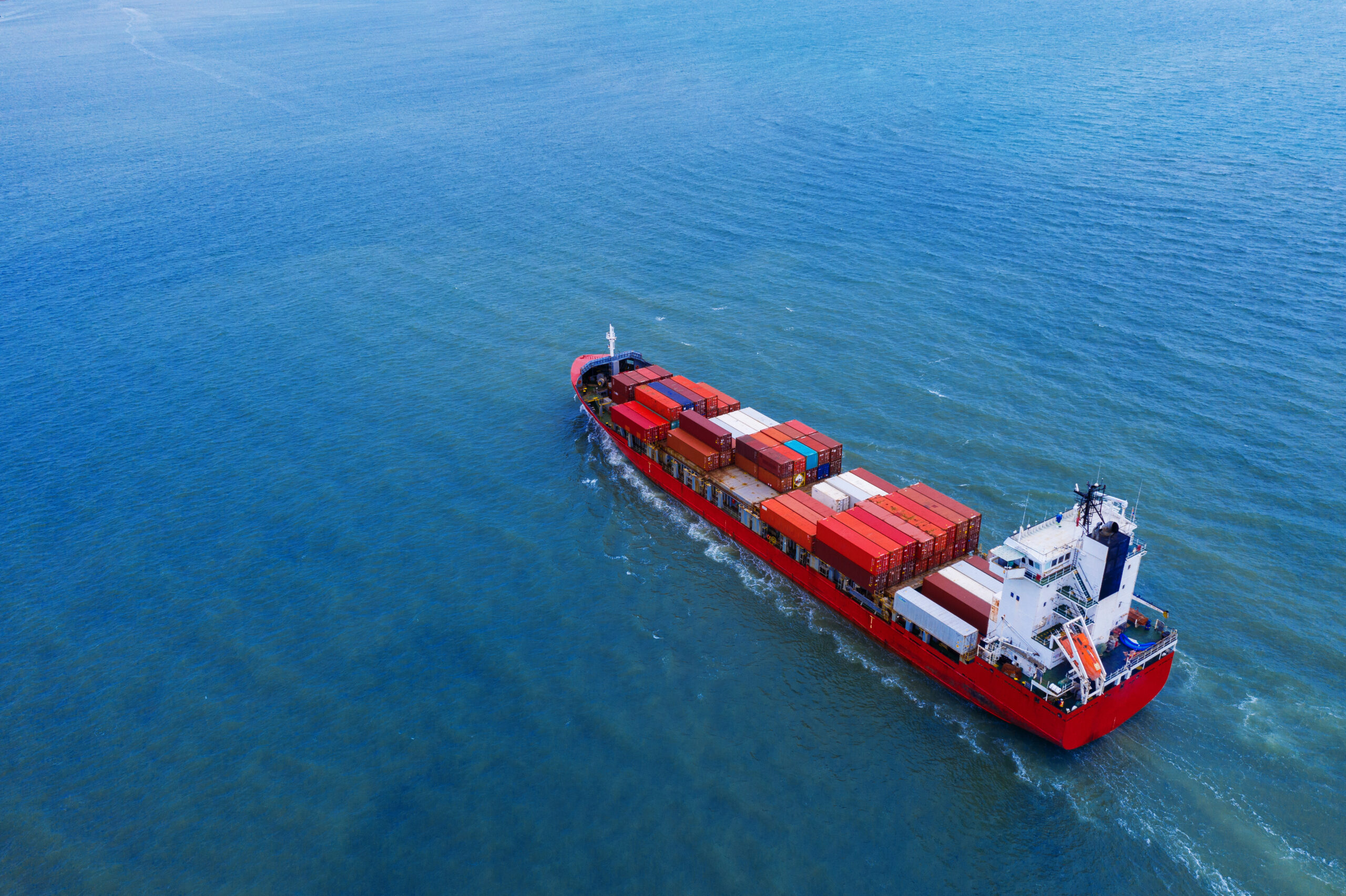
The multi-billion Turkmenbashi international seaport on the Caspian Sea is apparently currently operating at only a fraction of its capacity. According to representatives of the TRACECA program (Transport Corridor Europe–Caucasus–Asia), the port’s utilization rate is only 25 to 30 percent. The main reasons are bureaucratic hurdles, particularly difficulties in issuing visas and approval procedures for transport companies.
Jasurbek Choriev, Secretary General of TRACECA and Deputy Minister of Transport of Uzbekistan, pointed this out in an interview with Gazeta.uz. His statements were subsequently published by Turkmen News.
Bureaucracy Holds Back Transit Potential
Choriev emphasized that the Trans-Caspian route through Turkmenistan fundamentally offers significant advantages. For example, the port of Turkmenbashi is comparatively less affected by the shallowing of the Caspian Sea. Furthermore, Turkmenistan has a sufficiently large transit fleet—an advantage over some other countries along the Middle Corridor between China and Europe.
Nevertheless, these locational advantages have not yet been fully exploited.
“At present, the port of Turkmenbashi is not yet fully realizing its potential. It is particularly difficult for shipping companies to obtain visas. There are also problems with permits. These issues must be addressed more proactively,” explained Choriev.
According to him, the port’s utilization rate currently stands at only about 25 to 30 percent.
Interest in the Trans-Caspian route has recently increased. This is due to uncertainties in the Middle East and the temporary disruptions to shipping traffic through the Strait of Hormuz. Nevertheless, according to Choriev, reliability and predictability remain the decisive factors for international shippers.
Back in January, Uzbek Deputy Prime Minister Jamshid Khodjaev had already described visa restrictions in Turkmenistan as a serious obstacle to regional trade.
Competition in the Middle Corridor
For Uzbekistan, which is landlocked on two sides, alternative transit corridors are of strategic importance. Turkmenistan could play a key role here, as it—similar to Kazakhstan—enables the transport of goods across the Caspian Sea to Azerbaijan.
Currently, however, Kazakhstan dominates freight traffic along the Middle Corridor. The country is investing heavily in the expansion of its port infrastructure, logistics capabilities, and fleet. Should Turkmenistan remove the existing administrative hurdles, however, it could emerge as a serious competitor.
The international seaport of Turkmenbashi was built by the Turkish construction company GAP Construction and opened in May 2018. Recently, the port authority also announced the introduction of a digital port management system to streamline operations.
According to official figures, a total of 7.32 million metric tons of cargo was handled last year, representing a 15.2 percent increase over the previous year. Of this total, 4.47 million metric tons were exports, 1.52 million metric tons were imports, and 1.33 million metric tons were transit goods.
For the current year, a handling volume of 8.4 million metric tons is expected—an increase of about 15 percent. Container volume is projected to rise by 40 percent to approximately 4,500 containers.
Turkmenistan also plans to expand its shipbuilding capacity. The Balkan Shipyard has already signed contracts with the South Korean company Koryo Shipbuilding for the construction of new dry cargo ships.
TRACECA is an intergovernmental program designed to promote transport links between Europe, the Caucasus, and Asia. Its members include Azerbaijan, Armenia, Bulgaria, Georgia, Iran, Kazakhstan, Kyrgyzstan, Moldova, Romania, Tajikistan, Turkmenistan, Turkey, and Uzbekistan.