Armenia's Economy Grows by 7.3%: Construction and Services Drive Growth, While Exports Linger
Armenia’s economic activity grew by 7.3% year-over-year from January through August, according to a report released by the Statistical Committee of Armenia on September 25. In August alone, growth stood at 5.2% compared to the same month last year. The upturn is heavily concentrated in a few sectors.
Construction and Services Lead the Way
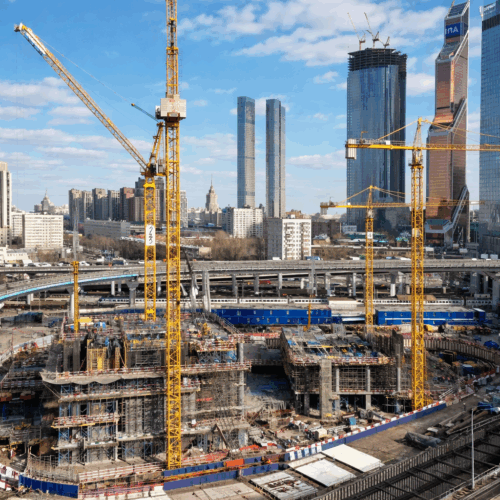
Construction output rose by 24.7% in the first eight months. Services (excluding trade) increased by 12.8%. Industry grew by 7.4%. Trade turnover rose by only 0.7%.
In August alone, construction grew by 23.8% and services by 11.4% compared to the same month last year. Trade remained virtually flat at 0.1%. The real estate market in Yerevan is heating up: The number of home purchases nearly doubled in July, and prices in the city center rose by 12.7%.
In August, the picture became clearer: industrial output was 4.3% below the same month last year, and electricity generation was 4.0% lower. The World Bank attributes the decline in electricity production to maintenance work at the Armenia Nuclear Power Plant. It wrote in its September monthly report: “Economic activity slowed to 6.5% year-over-year in July, down from 7.4% in June.”
Exports Plunge, Imports Rise
Exports fell by 7.9% from January through July, while imports rose by 7.7%. In July alone, exports fell by 15.7%, while imports rose by 21.5%. According to the World Bank, the trade deficit reached about 10% of estimated annual GDP.
Exports of precious and semi-precious stones plummeted by 66.2% in July. Excluding this category, exports rose by 6.8%. Agricultural products were down 15.2%: Russia has restricted imports of Armenian food products since April 2026. The Central Bank’s gross reserves reached a record high of $6.5 billion in August.
Inflation Above Target
Consumer prices rose 4.3% year-over-year and 0.2% month-over-month in September, according to the Statistical Committee on October 5. From January through September, inflation stood at 4.5%. The Central Bank expects inflation to range from 4.2% to 4.5% in 2026, depending on the scenario. For 2027, it forecasts a range of 2.7% to 3.4%. Public debt stood at 41.3% of GDP in July and is expected to rise by the end of the year. The central bank has kept the refinancing rate at 6.5% since December 2025; its target is 3%. Central Bank Governor Martin Galstyan said on June 16: “Time will tell how the situation develops.”
What This Means for German Companies
The construction industry is growing by a quarter, and imports are rising. This is creating demand for machinery, building materials, and plant engineering. Exporters should hedge payments in euros or U.S. dollars, as inflation is above target. Investors should note the economy’s dependence on a few sectors and the trade deficit. The restrictions on Russia are affecting agricultural exports, not import demand.
Sources: Statistical Committee of Armenia (EN), World Bank Armenia Monthly Economic Update, September 2026 (EN), Central Bank of Armenia (EN)
SK, Frankfurt