Coal Is Making an Unexpected Comeback
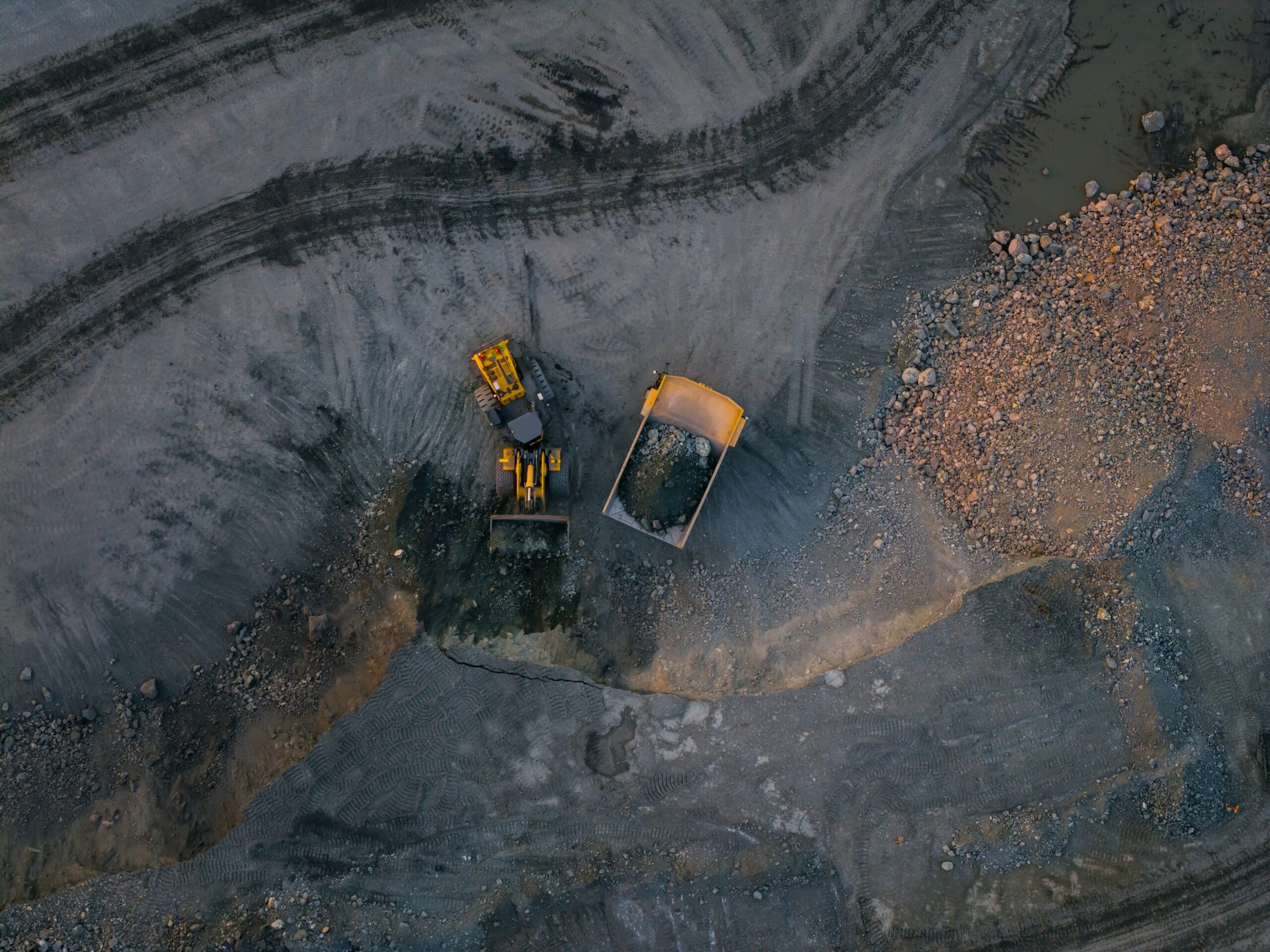
Geopolitical tensions in the Middle East are fundamentally changing global energy markets. Disruptions in natural gas supplies have led to a surprising resurgence of coal worldwide. While governments continue to adhere to their climate goals, the current crisis has brought security of supply to the forefront.
According to the World Bank, recent developments show that, despite billions in investments in renewable energy, coal remains an indispensable reserve in the global energy system.
Energy Crisis Drives Coal Demand
According to an analysis by World Bank economists Paolo Agnolucci and Nikita Makarenko, disruptions in natural gas supplies from the Gulf region caused a significant increase in both coal prices and global demand.
Australian reference prices for power plant coal rose to nearly $150 per metric ton in early June. This was triggered by supply bottlenecks in China, uncertainties surrounding Indonesian exports, and the seasonal increase in electricity demand. It was only after the announcement of a ceasefire in the Middle East that prices fell significantly again.
Coal prices had already risen by about 20% in March compared with the previous month. After fighting in the Gulf region disrupted natural gas supplies, numerous energy providers in Asia once again relied more heavily on their coal-fired power plants.
With the further escalation of the Iran conflict and the temporary blockade of the Strait of Hormuz, coal prices remained at elevated levels in April and May as well.
Coal-Fired Power Plants Remain a Strategic Reserve
Many countries continue to maintain coal-fired power plants as reserve capacity to respond to supply crises. According to Goldman Sachs, the conflict in the Middle East represented the most severe disruption to the global energy supply in recent history.
Within Europe, Germany has the largest installed coal-fired power plant capacity, at around 40 gigawatts. An additional 20 gigawatts are available as a reserve and serve as a buffer against sharp fluctuations in gas prices. Poland, the Czech Republic, and Bulgaria also generate a significant portion of their electricity from coal. The United Kingdom, on the other hand, shut down its last coal-fired power plant as early as 2024.
In Asia, too, coal remains a central component of the energy supply despite the massive expansion of renewable energy. Although China is gradually reducing its coal consumption, strong economic growth is slowing this process. India continues to meet about 75% of its energy needs with coal.
The temporary disruption of LNG shipments from Qatar, following an Iranian missile attack on the Ras Laffan LNG complex, created additional pressure.
China and India Continue to Rely on Coal
The World Bank expects global demand for power plant coal to remain nearly stable in 2026. Rising consumption in Asia is likely to largely offset the decline in Europe.
China and India, in particular, intend to further expand their domestic coal production to reduce dependence on energy imports and strengthen security of supply.
China’s new five-year plan explicitly prioritizes energy security. Although the country is investing heavily in solar, wind, and hydroelectric power, coal remains firmly in the plans as a strategic reserve. In addition, the expansion of the coal-to-chemicals industry continues to be supported.
“We will always prioritize energy security,” stated Wang Hongzhi, head of China’s National Energy Administration.
Since the power outages of 2021 and 2022, China has significantly accelerated the construction of new coal-fired power plants. At the same time, the coal processing industry—backed by a powerful mining lobby—is growing.
Europe Is Reducing Coal Consumption More Slowly
In the European Union, coal consumption is expected to continue declining, though at a slower pace than anticipated before the start of the Middle East conflict.
In the U.S., on the other hand, experts anticipate largely stable demand. This is due to the sharp rise in electricity demand, driven in part by the expansion of AI data centers and the replacement of expensive natural gas-fired power generation.
China and India were able to limit the rise in their coal consumption in 2025 thanks to a record expansion of solar, wind, and hydroelectric power. However, both countries continue to view domestic coal production as a strategic component of their energy policy.
Supply Remains Stable – Prices Are Likely to Stay High
On the supply side, the World Bank expects a slight decline in global coal production of about one percent in 2026. Nevertheless, supply is likely to be sufficient to meet demand.
While China, North America, and Eurasia were able to expand their production, Australia and Indonesia—the world’s two largest coal exporters—saw their output decline.
Indonesia plans to further reduce its production targets for 2026. At the same time, diesel shortages and higher fuel prices resulting from the Middle East conflict are making coal mining even more expensive.
The World Bank therefore expects Australian reference prices for power plant coal to average around 130 U.S. dollars per metric ton in 2026—about 20% above the previous year’s level. The market is not expected to ease again until 2027.
Security of supply trumps climate policy
The World Bank continues to see significant upside risks for the coal market. Should the normalization of natural gas supplies through the Strait of Hormuz be delayed, coal could play a key role in electricity supply for longer than expected.
Additional demand could arise from the booming expansion of AI data centers, whose growing electricity needs—particularly in China and the U.S.—are likely to favor the continued operation of existing coal-fired power plants.
Conversely, a faster recovery in Indonesian exports and an even more rapid expansion of renewable energy could once again ease price pressures.
Current developments make it clear that geopolitical crises continue to have a significant impact on the energy transition. In the long term, the expansion of renewable energy remains the dominant goal for many countries. However, in times of acute supply crises, energy security clearly takes precedence over climate policy ambitions.