Ukraine Resumes Oil Transit via the Druzhba Pipeline
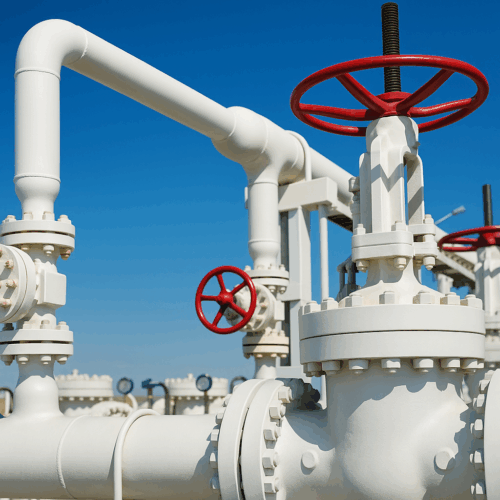
The first crude oil shipments via the Druzhba pipeline since its restart have arrived in Ukraine. The Hungarian oil company MOL announced this in a statement on April 22.
According to the statement, the Ukrainian pipeline operator Ukrtransnafta informed MOL that Ukraine would resume receiving crude oil from Belarus via the pipeline system later that day. At the same time, it was confirmed that shipments to Hungary and Slovakia could resume.
The force majeure declaration, which had been in effect since January 27, ended on April 21 at 6 p.m., after the necessary repair work had been completed. The first deliveries to Hungary and Slovakia are expected by April 23 at the latest.
Use of Strategic Reserves
During the interruption, Hungary had drawn on its strategic crude oil and fuel reserves to ensure supply and organize alternative deliveries by sea. A portion of these reserves was used over the past few weeks.
Stocks had fallen to a historically low level by early April but are now rebuilding. Market observers attribute the decline, among other things, to increased demand resulting from government price measures as well as limited supply options.
At the same time, Hungary increased its imports via alternative routes, particularly through Croatia. However, the capacity of these connections remains limited. Additional challenges arose due to technical constraints at a MOL refinery, which is currently not operating at full capacity.
Slovakia also temporarily drew on its own reserves. Industry representatives emphasize that while the resumption of pipeline deliveries contributes to stabilization, it does not completely eliminate all bottlenecks.
The Hungarian Petroleum Association (MASZ) stated that the resumption of Druzhba deliveries improves supply security, but potential bottlenecks in refined products may still persist.
In addition, industry associations pointed out that domestic regulatory measures are further influencing demand and could thus put pressure on supply in the short term.
Political and Economic Dimensions
The interruption of supplies had recently also sparked political discussions. Hungary and Slovakia had pressed for a solution to ensure energy supplies. In this context, issues of energy policy and European cooperation were intensively discussed.
The resumption of transit is now taking place in parallel with progress on European financial aid for Ukraine, which has also been the subject of intense negotiations in recent weeks.
With the pipeline back in operation, the situation is easing for the time being. Nevertheless, the supply situation in the region remains dependent on various factors, including infrastructure, market conditions, and political coordination.