Rosatom's Plans in Central Asia Under Pressure
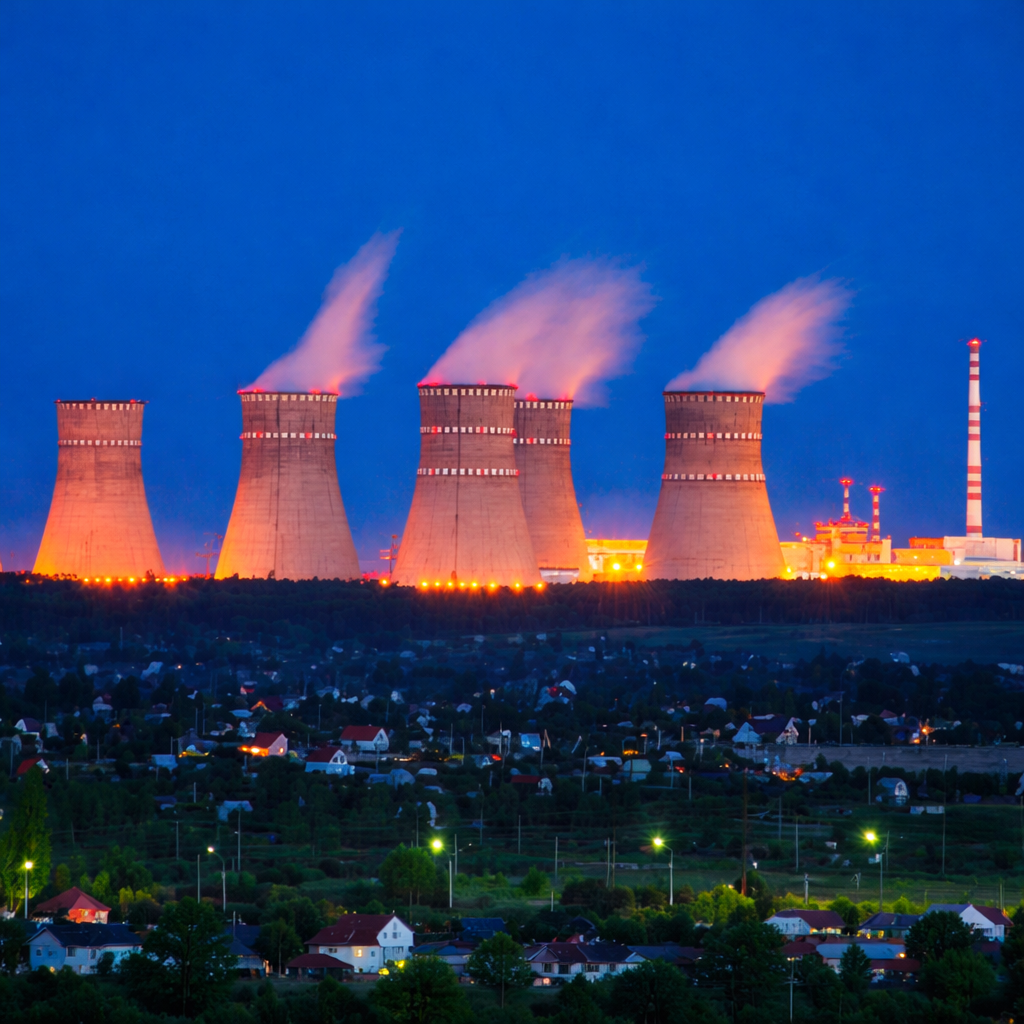
A representative of the Russian Security Council has accused Western countries of waging a large-scale information campaign against the Russian nuclear energy company Rosatom. The aim, he said, is to hinder Rosatom’s projects to build nuclear power plants in partner countries in Central Asia.
According to the TASS news agency, Alexei Shevtsov, deputy secretary of the Security Council, stated that the campaign’s initiators wanted to prevent Rosatom from implementing turnkey nuclear power plant projects. He specifically cited the planned first nuclear power plant in Kazakhstan, a bid for a smaller nuclear power plant in Kyrgyzstan, and Rosatom’s involvement in the first nuclear energy project in Uzbekistan.
According to Shevtsov, Rosatom holds approximately 90 percent of all global export contracts in the nuclear energy sector. From this, he concluded that the pressure on Rosatom is unlikely to be limited to Central Asia.
Doubts About Financing and Technology
A Kazakh analyst described Shevtsov’s statements to Azattyk Asia as demonstrative rhetoric. They could also serve to provide a political explanation for potential future difficulties in implementing Rosatom projects, such as if financing problems or technical delays arise.
Kazakh energy expert Asset Nauryzbayev, former head of the grid operator KEGOC, pointed to practical risks. International restrictions against Russia are complicating Rosatom’s cooperation with global technology companies, for example regarding the delivery of complex components.
“Companies like Siemens Energy are restricted in their deliveries due to sanctions against Russia, Rosatom, and Rosatom subsidiaries and no longer wish to participate in Rosatom projects,” Nauryzbayev said, according to the report.
One example of this is Rosatom’s Akkuyu project in Turkey. There, the commissioning of the first reactor was significantly delayed after Siemens Energy failed to deliver certain components. The company cited a lack of export licenses from Germany. Rosatom subsequently announced legal action against Siemens Energy.
Central Asia Explores Alternatives
Shifts are also evident in Kazakhstan. For the construction of three coal-fired power plants, the government opted not for Russian companies but for a Kazakh-Singaporean consortium. Earlier plans involving Inter RAO-Export and the firm ORGRES were abandoned after expected preferential financing from Russia failed to materialize.
Kazakh economist Aidar Alibayev told Azattyk Asia he doubted whether Russia could reliably finance major foreign nuclear projects given its strained public finances and structural economic problems.
Nauryzbayev also warned against long-term dependencies. Cooperation with Rosatom ties a country to Russia not only technologically but also in terms of fuel supply and the subsequent disposal of nuclear waste.
Thus, Rosatom’s role in Central Asia remains caught between energy needs, geopolitical interests, financing, and technological dependence.
The day's most important Russian economic stories. Free, in your inbox three times a week.
Mon, Wed, Fri. Double opt-in, no tracking, unsubscribe anytime. By subscribing you consent to the processing of your email address as described in our Privacy Policy.