Turkey
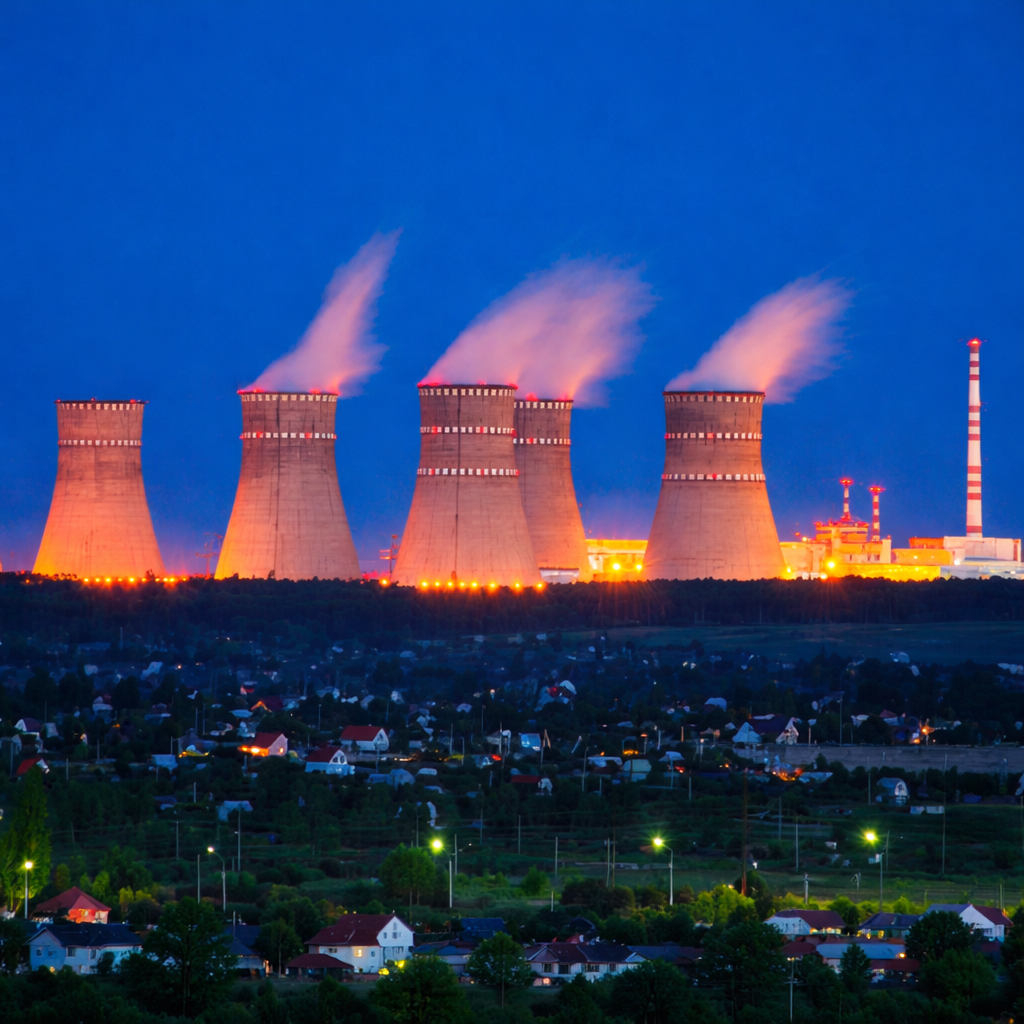
Rosatom plans in Central Asia under pressure
A representative of the Russian Security Council accuses Western states of conducting a large-scale information campaign against the Russian nuclear company Rosatom. The aim is to obstruct Rosatom's projects to build nuclear power plants in Central Asian partner countries.
According to the news agency TASS, Alexei Shevtsov, Deputy Secretary of the Security Council, explained that the initiators of the campaign wanted to prevent Rosatom from implementing turnkey nuclear power plant projects. He referred in particular to the planned first nuclear power plant in Kazakhstan, an offer for a smaller nuclear power plant in Kyrgyzstan and Rosatom's participation in the first nuclear energy project in Uzbekistan.
According to Shevtsov, Rosatom holds around 90 percent of all global export contracts in the nuclear energy sector. He deduced from this that the pressure on Rosatom is unlikely to be limited to Central Asia.
Doubts about financing and technology
A Kazakh analyst assessed Shevtsov's statements to Azattyk Asia as demonstrative rhetoric. It could also be used to politically explain possible later difficulties in the implementation of Rosatom projects, for example if financing problems or technical delays occur.
Kazakh energy expert Asset Nauryzbayev, former head of the grid operator KEGOC, pointed to practical risks. International restrictions against Russia make it difficult for Rosatom to cooperate with global technology companies, for example in the supply of complex components.
"Companies such as Siemens Energy are restricted in their deliveries due to the sanctions against Russia, Rosatom and Rosatom subsidiaries and no longer want to participate in Rosatom projects," said Nauryzbayev according to the report.
One example of this is the Rosatom Akkuyu project in Turkey. The commissioning of the first reactor there was significantly delayed after Siemens Energy failed to deliver certain components. The company referred to the lack of export licenses from Germany. Rosatom then announced that it would take legal action against Siemens Energy.
Central Asia examines alternatives
Shifts are also taking place in Kazakhstan. The government opted for a Kazakh-Singaporean consortium rather than Russian companies for the construction of three coal-fired power plants. Earlier plans with Inter RAO-Export and ORGRES were abandoned after the expected preferential financing from Russia failed to materialize.
Kazakh economist Aidar Alibayev told Azattyk Asia that he doubted whether Russia would be able to reliably finance large foreign nuclear projects in view of strained state finances and structural economic problems.
Nauryzbayev also warned against long-term dependencies. Cooperation with Rosatom would not only tie a country to Russia technologically, but also in terms of fuel supply and the subsequent disposal of nuclear waste.
Rosatom's role in Central Asia therefore continues to be caught between energy requirements, geopolitical interests, financing and technological dependency.
The post Rosatom plans in Central Asia under pressure appeared first on ostwirtschaft.de.
Original article (German):
Read on ostwirtschaft.de →