Central Europe
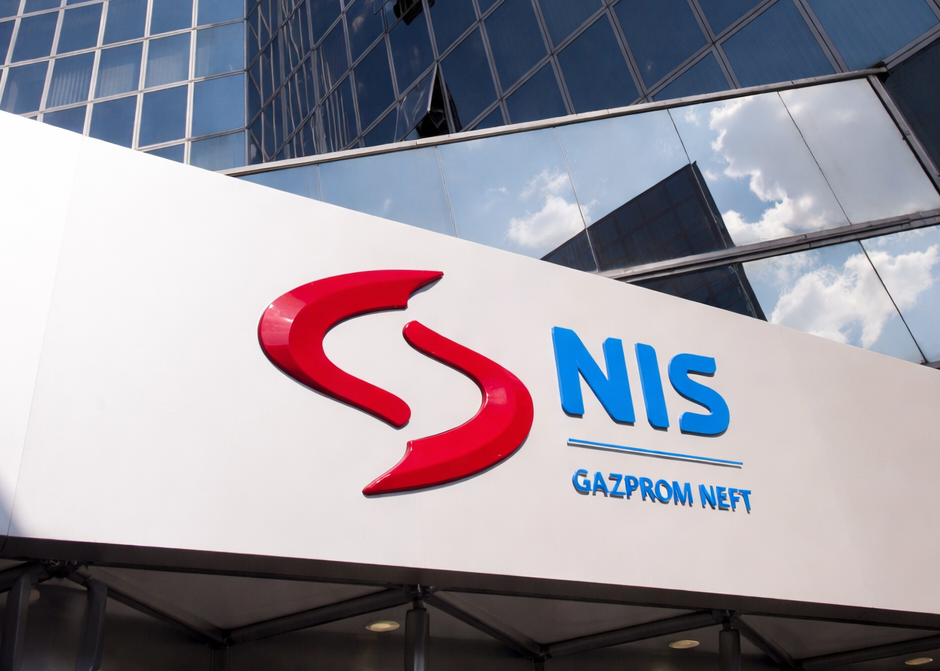
MOL-NIS deal open after Hungary's election
The planned acquisition of the Serbian oil company NIS by the Hungarian MOL Group is under new auspices following the political changes in Hungary. While Serbia's President Aleksandar Vučić continues to assume that the deal will be completed, there is growing uncertainty about the timing and political framework of the transaction.
On April 13, Vučić stated on Serbian state television RTS that talks on restructuring NIS were at an advanced stage. The company is majority-owned by Russian groups and is affected by US sanctions. According to the President, representatives of MOL continued to signal their willingness to sign an agreement in the near future. At the same time, he admitted that the negotiations were complex.
Sanctions and ownership structure as key factors
In October 2025, the United States imposed sanctions against NIS that target the Russian ownership structure and provide for a withdrawal of Russian capital. In January, Gazprom Neft agreed in principle to sell its 44.9 percent stake. In addition, there is an 11.3 percent stake held by a Gazprom subsidiary. If the transaction is implemented and approved by the US authorities, MOL could acquire a majority stake of over 56 percent in NIS.
NIS is currently dependent on an exemption from the US authorities for its ongoing operations. Among other things, this permits the continuation of refinery activities, imports and financial transactions. The existing license is initially valid until 17 April. The company has already applied for an extension. Vučić expressed the expectation that the license will be extended and referred to a deadline for negotiations until 22 May.
Political changes increase complexity
The latest political developments in Hungary could change the context of the negotiations, without automatically meaning the end of the project. Observers point out that the close political coordination between Budapest and Belgrade has played an important role for regional energy projects in the past.
At the same time, government representatives in Serbia emphasize that cooperation with Hungary should continue regardless of political personnel changes. Vučić congratulated the new Hungarian President Péter Magyar and emphasized the importance of stable bilateral relations.
However, statements from Hungary pointing to possible geopolitical influence in the region led to diplomatic tensions in the short term. Vučić rejected such statements and described them as unfounded.
Economic interests remain intact
Irrespective of the political dynamics, MOL's interest in NIS is still considered to be strategically justified. The acquisition would give the Hungarian group a stronger position in the south-eastern European energy market and could contribute to the diversification of supply chains.
At the same time, Serbia and Hungary are pursuing several joint infrastructure projects, including the Belgrade-Budapest high-speed rail line and plans for a new oil pipeline. However, the speed at which these projects are implemented increasingly depends on the political and regulatory framework conditions.
Open outcome of the negotiations
MOL's possible entry into NIS therefore remains dependent on several factors: the approval of the US authorities, the progress of talks with the existing shareholders and further political coordination between the countries involved.
While Serbian government representatives remain optimistic, analysts take a more differentiated view of the situation. The deal has not failed - but its implementation has become more complex and is likely to take longer than originally expected.
The post MOL-NIS deal open after Hungary's election appeared first on ostwirtschaft.de.
Original article (German):
Read on ostwirtschaft.de →